Age difference doesn't create sexual problems. Mismatch in expectations does. And the biggest mismatch I see in cross-generational couples isn't about desire—it's about timing. One partner needs thirty minutes to get there. The other needs five. One recovers quickly between orgasms. The other needs space. Neither is wrong. Both feel lonely.
Let me be direct: as bodies age, arousal typically gets slower to build and faster to lose if you get interrupted. This isn't universal—some people buck the pattern entirely—but it's common enough that it matters.
Here's what research actually shows. Younger bodies (typically under 35) tend to have faster vasocongestion. Arousal builds quickly, orgasm arrives sooner, recovery is immediate. After 40, the process stretches. Arousal takes longer to build, the plateau phase lengthens, and between-orgasm recovery time increases. After 55 or 60, those timelines stretch even further.
But here's the part nobody talks about: longer arousal often means deeper sensation once you get there. The older body isn't slower at pleasure—it's on a different timeline. And when partners are decades apart, those timelines collide.
I've worked with couples where a 28-year-old and a 52-year-old are trying to sync up. The younger partner reaches arousal in minutes, ready to move forward. The older partner needs twenty minutes of foreplay to feel anything. So the younger one either waits (feeling resentful or bored) or proceeds (leaving the older one behind). Neither works.
Then there's recovery. The younger partner wants three rounds. The older partner can manage one really satisfying orgasm and genuinely needs rest. The younger one feels rejected. The older one feels pressured. Both withdraw.
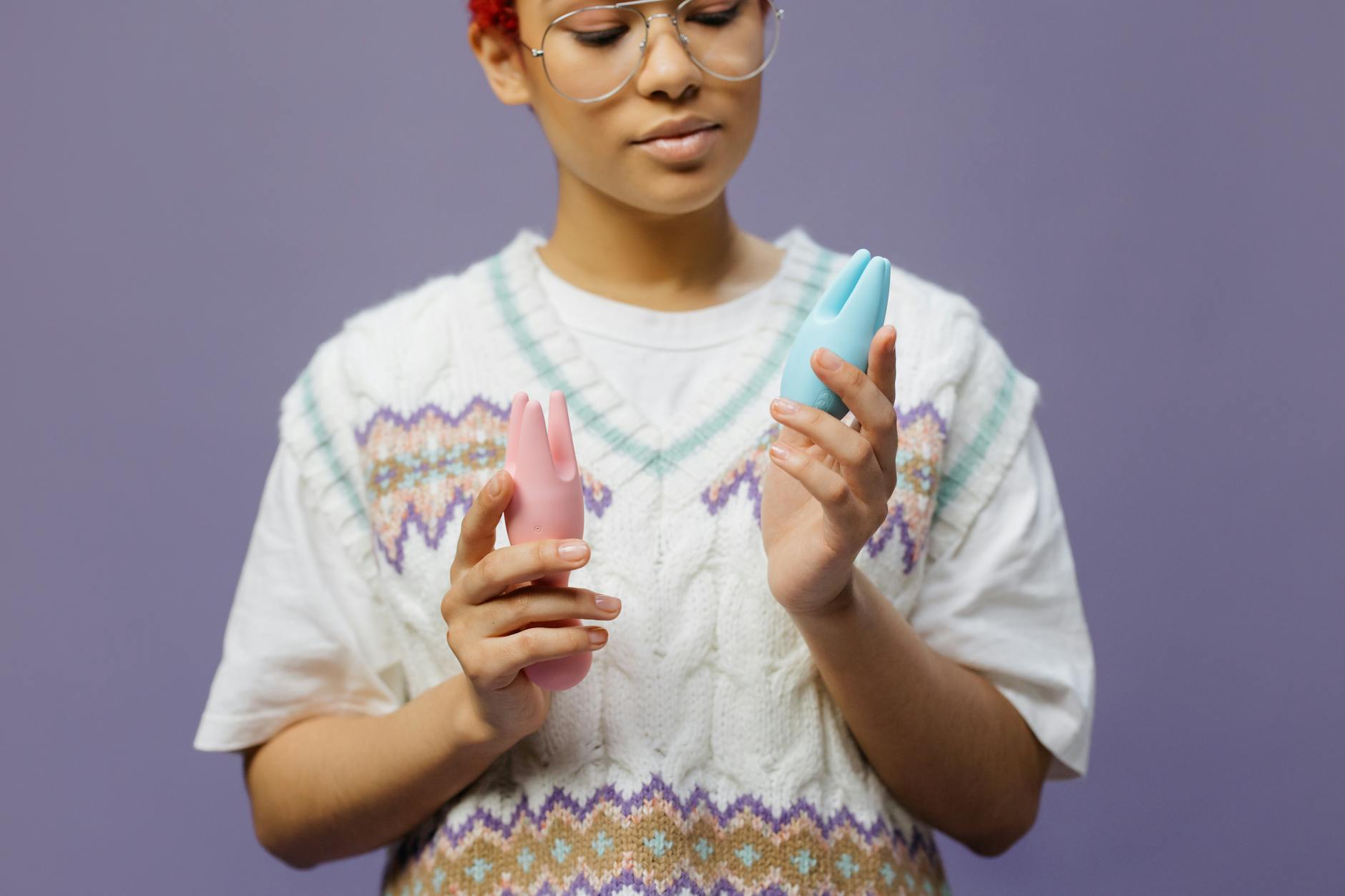
A lemon vibrator—specifically a lemon clitoral vibrator—solves this by letting both partners get exactly what they need on their own timeline.
Here's the practical play. Let's say you're the younger partner, and your partner needs more arousal time.
Start together, but build her arousal separately. While you're kissing or touching her, she uses the Lem on lower settings—patterns one through three—to wake up her sensitivity. You're present, you're connected, but she's not waiting for you to provide all the stimulation. This cuts her arousal time from twenty minutes to maybe ten or twelve. You're still involved. She's not bored. Energy matches.
Now you're both ready. You can proceed with penetration, hands, whatever comes next. She's actually aroused, so the experience is better for both of you.
Here's the flip side. Let's say you're the older partner, and your younger partner recovers fast. After your orgasm, they want to keep going. You genuinely need rest—not rejection, just recovery. Instead of stopping sex entirely, they use the Lem while you stay close. You're cuddling, you're present, you're still intimate. They get their pleasure. You get your break. Nobody feels abandoned.
The Lem has seven patterns. Here's how to use them when partners are at different life stages.
Patterns 1 and 2 (low intensity). Use these for slow, sustained arousal. If one partner needs time to build, these patterns keep sensation going without overwhelming. Start here if the younger partner is rushing. These patterns buy time without losing connection.
Patterns 3 and 4 (medium intensity). Sweet spot for dual use during partnered sex. One person uses the vibrator while the other uses hands or penetration. Both partners stay engaged without either one overstimulated.
Patterns 5, 6, 7 (high intensity). These are solo finish lines. If one partner needs intensity they can't get from their partner alone, these patterns deliver. Use them when one person is close and the other has already finished.
The key: intensity doesn't equal speed. Someone older might need patterns 5-7 to reach orgasm because their tissue sensitivity has changed, not because they want faster buildup. Someone younger might need patterns 1-2 specifically to slow down. Match the pattern to the nervous system, not the age.
Here's what I tell couples who are embarrassed to use a toy because of age difference. The toy isn't replacing your partner. It's solving a logistics problem so you can both finish happy.
Say it out loud beforehand. Not during sex—before. "I want to use the Lem during sex because it helps me reach orgasm when I'm taking longer." Or: "I'd like to keep going after you come, and I want you there with me—but I get that you need rest. Can I use this while you hold me?"
Both statements reframe the toy from threat to solution. It's not about your partner being inadequate. It's about honoring both timelines at once.
Sometimes age-gap sexual mismatch isn't about arousal speed. It's about frequency expectations. A 35-year-old might want sex three times a week. A 58-year-old might want twice a month. That's not a timing problem. That's a frequency problem, and it needs a different conversation.
A lemon vibrator helps with the solo desire gap. If your partner's libido is lower and yours is higher, solo pleasure with the Lem during the week takes pressure off partnered sex. You're not depending on them to meet all your needs. You're also not resentful. Everyone relaxes.
One practical thing I recommend: budget more time than you think you need. If one partner typically needs twenty minutes to arouse, add five extra minutes of buffer. Stress kills arousal, especially as bodies age. Rushing kills it faster.
Set up your space to be comfortable for however long it takes. Good lighting—enough to see each other, not so bright it feels clinical. Temperature matters; older bodies regulate less efficiently, so it shouldn't be cold. Remove distractions. Phone away. Door locked.
Then start without the vibrator. Touch, kiss, talk. Let arousal build naturally. Once you're both somewhat engaged, introduce the Lem. It's not a replacement for foreplay. It's an extension of it.
Absolutely. In fact, you should. When there's an age gap and low sexual history together, introducing the vibrator early removes a lot of awkwardness. It's not "we've been struggling, so now we're adding a toy." It's "we both get to have good sex from the beginning." That's actually a gift.
No. It means you're being practical. Couples without age gaps use vibrators. Couples with huge age gaps use them too. The only difference is that an age gap makes the logistics more obvious. You're not hiding the timing problem—you're solving it.
Not remotely. Attraction and arousal pathway are different systems. I've worked with couples where the younger partner is extremely attracted to the older one and still needs extended arousal time because of how their nervous system works. The vibrator speeds up the physical process. It has nothing to do with desire.
That's worth a careful conversation. Sometimes resistance is actually about shame—they feel like needing it means they're "broken." Sometimes it's about feeling replaced. Sometimes it's generational (older people were often told vibrators were weird). But if the age gap means your timelines genuinely don't match, and they refuse tools that would help, you need to decide if you're okay with one partner's needs consistently going unmet. That's a relationship question, not a vibrator question. Consider talking to a couples therapist.
Sure, but check in on what's driving the lower libido first. If it's hormonal (menopause, andropause), that's one thing—the vibrator helps you both stay connected while the body adjusts. If it's emotional distance or unprocessed conflict, a vibrator won't fix it. It might even create resentment if it feels like a band-aid. Address the actual issue first.
Not really. People in their 70s and 80s use them successfully. What changes is that some older bodies have different sensitivity or physical limitations (arthritis, nerve damage, medication side effects). Those are solvable—different vibrator shapes, different positions, lower intensities. But the tool itself doesn't have an expiration date.
I work with couples where one partner is fifteen years older, twenty-five years older, even thirty. The ones who make it work aren't pretending their bodies are the same. They're honoring what each body actually needs and finding tools and approaches that let both people finish satisfied.
A lemon vibrator isn't a workaround for a broken relationship. It's a practical tool that acknowledges a real biological fact: people at different life stages have different arousal timelines. Using that tool well means both partners get pleasure. That's the whole point.
When you're curious about how the Lem might work in your own dynamic, reach out. We're here to help.