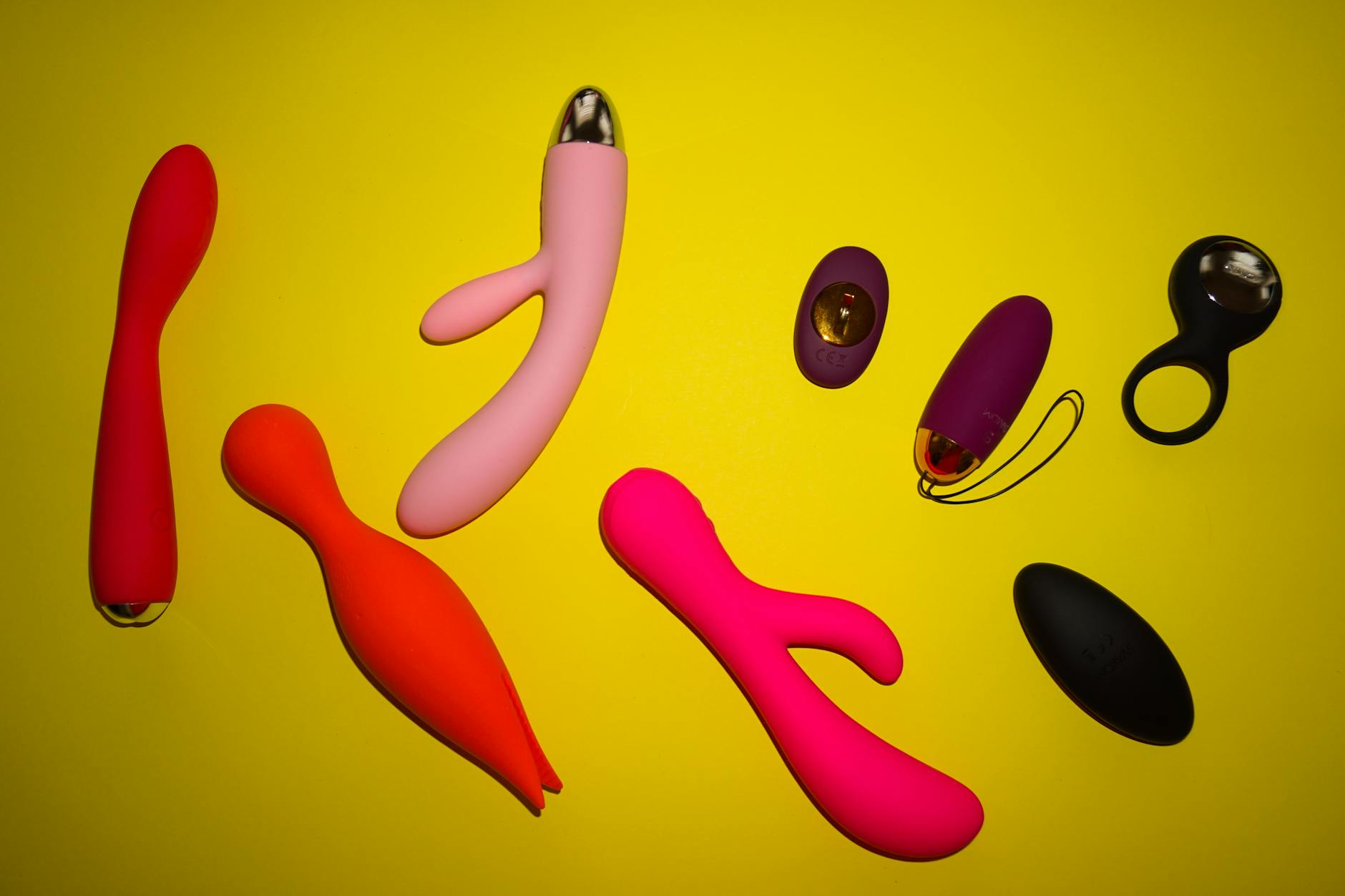
How to Use a Lemon Vibrator When Sensation Feels Numb After Birth
Postpartum numbness doesn't mean you're broken. Here's exactly how lemon clitoral vibrators help rewaken sensation, rebuild connection with your body, and return to pleasure on your own timeline.
Somewhere between the contractions, the hormonal earthquake, and the 4 a.m. feeds, your body stopped sending signals downstairs. Your vulva feels like it belongs to someone else. Touch feels distant, muted, almost like there's a wall of cotton between your skin and your brain. If this is your reality right now, you're not alone. And it's not permanent.
Postpartum numbness is a real neurological and physiological event. It happens to roughly half of people after vaginal delivery and to a smaller percentage after cesarean. The causes are layered. Epidural drugs, perineal trauma, hormonal collapse, sleep deprivation, the weight of a literal new human. Your nervous system is in crisis management mode. Pleasure is not on the priority list.
Here's the good news that nobody says out loud: lemon vibrators like the Lem are actually one of the best tools for rebuilding sensation safely during this phase. Not because they force sensation back, but because they work WITH the way your nervous system heals.
Understand the mechanism and you'll stop blaming yourself for the disconnection.
Vaginal delivery often involves perineal trauma. Stitches, swelling, bruising. Your nervous system treats this like an injury and dampens nerve firing in the area as a protective measure. It's not a glitch. It's a feature. Your body is saying "don't touch that yet."
Hormones amplify this. Estrogen and oxytocin crash. Prolactin (the nursing hormone) surges and actively suppresses arousal. If you're breastfeeding, this suppression runs deeper and lasts longer. Around 6 to 12 weeks postpartum, many people report feeling like their vulva is "asleep." Some describe it as anesthesia that won't wear off.
Then there's the nervous system load. Your autonomic nervous system is stuck in sympathetic overdrive. You're in survival mode: managing pain, sleep deprivation, bleeding, the shock of total life change. The parasympathetic system (the one that handles rest, pleasure, and healing) is largely offline. Sensation requires parasympathetic activation. Without it, even direct touch can feel like nothing.
Add the psychological layer: fear of pain, anxiety about your changed body, relationship shifts, identity collapse. All of this lives in your nervous system and literally dampens nerve response. Your brain is protecting you from sensation because sensation has become scary.
None of this is your fault. None of it is permanent.
First: check with your provider. Most gynecologists clear sexual activity at 6 weeks postpartum if there's no ongoing bleeding or infection. Sensation work can start gently at that point.
When you do start, lemon clitoral vibrators are safer and more effective than other options during this window. Here's why.
Traditional vibrators rely on broad, penetrative vibration. If your tissues are still healing or your nervous system is still in protective mode, that kind of pressure can feel overwhelming. It can actually re-traumatize the area and make numbness worse.
Lemon vibrators use air-suction technology instead. The Lem, for instance, doesn't vibrate directly against tissue. It creates rhythmic suction that stimulates the thousands of nerve endings in your clitoral area without requiring you to feel the vibration itself. Your nervous system can register gentle pressure and rhythm without the shock of direct mechanical stimulation.
For postpartum bodies specifically, this matters because suction-based stimulation is gentler, requires less direct pressure, and often triggers sensation response before your tissues are ready for traditional vibration.
Think of this as pelvic floor physical therapy but for pleasure. You're not trying to have an orgasm yet. You're teaching your nervous system that your vulva still exists and that touch can be safe.
Weeks 6 to 8: Awareness, not stimulation. Use the Lem on its lowest setting, but don't use it to chase sensation. Instead, place it lightly against your clitoral area for 30 seconds to 1 minute at a time. Just notice what you feel. Nothing? That's data, not failure. Even if the sensation is muted or distant, you're rebuilding the neural pathway between your vulva and your brain.
Weeks 9 to 12: Gentle progression. Move to setting 2 or 3 if setting 1 feels truly neutral. Spend 3 to 5 minutes per session. You're not trying to reach orgasm. You're looking for the moment when you feel a tiny shift: a small spark, warmth, or the sensation coming slightly into focus. Stop when you feel it. Rest. Let your nervous system integrate.
Weeks 13 onward: Patience and presence. Increase session length to 10 to 15 minutes. Sensation will return unevenly. Some days the Lem will feel amazing. Other days you'll feel almost nothing. This isn't regression. Your nervous system is healing in layers. Hormones are gradually rebalancing if you're not breastfeeding, or they'll rebalance once you wean.
Throughout all of this, let pleasure be secondary. Your job is to be present with whatever sensation you do feel, however small. That presence is what rebuilds the neural pathway.
Here's where most postpartum people get stuck: the numbness starts to feel psychological. You're in your body with a vibrator but also in your head catastrophizing. "Will I ever feel pleasure again? Is my body broken? Am I still desirable?" That inner monologue is a nervous system response, not a prediction.
Before you use the Lem, spend 5 minutes grounding. Feel your feet on the floor. Notice 5 things you can see, 4 you can feel, 3 you can hear. This activates your parasympathetic nervous system and tells your brain it's safe to feel sensation.
Use the lemon vibrator in a quiet space where you're not thinking about your partner, your baby, or your to-do list. This isn't selfish. It's medicine. Your nervous system has been in crisis mode for months. It needs focused, gentle attention to downshift into a space where pleasure is possible.
If your partner is involved, separate the pleasure-rebuilding work from couple's intimacy for a while. This is solo work first. Once you feel sensation reliably returning (usually weeks 14 to 16), then you can fold your partner back in.
Let's be clear: numbness doesn't vanish overnight. But most people report noticeable sensation return within 4 to 6 weeks of consistent, gentle lemon vibrator work. By 12 weeks postpartum, about 70% of people have achieved meaningful sensation return. By 6 months, the number is much higher.
Full sensation and arousal capacity can take longer, especially if you're breastfeeding. Prolactin suppresses arousal for the entire duration of nursing. The moment you wean, sensation typically shifts significantly within days. Until then, don't expect your pre-baby baseline. Your nervous system is biochemically suppressing arousal to protect you.
Certainty about your recovery: numbness is temporary. Your clitoral tissue is intact. Your nerve endings are intact. Your brain hasn't forgotten how to feel pleasure. You're not broken. You're healing.
If numbness persists past 6 months postpartum, or if sensation feels painful rather than numb, mention it to your gynecologist. Sometimes residual perineal tension or scar tissue requires physical therapy. A pelvic floor specialist can identify if restricted tissue or nerve involvement needs attention.
If sensation is returning but arousal itself feels blocked, consider whether postpartum depression or anxiety is in play. The biochemistry of numbness and the psychology of trauma can look similar. A therapist trained in postpartum mental health can help you untangle them.
Your body will heal. The lemon clitoral vibrator is a tool that meets you where you are right now: in a place of disconnection, asking your nervous system to slowly, gently remember sensation. Trust the timeline. Trust the tool. Trust your body's capacity to return to pleasure.
Wait for medical clearance, typically 6 weeks postpartum. Even then, start gently. Sensation work is different from pleasure-seeking. You're rebuilding the neural pathway between your vulva and your brain, not chasing orgasm. The Lem's suction-based design makes it safer than traditional vibrators during this delicate window because it doesn't require intense direct pressure while tissues are still healing.
Consistent, gentle use accelerates recovery compared to waiting passively. Your nervous system heals faster when it receives regular, low-stress input. Think of it like physical therapy: the stimulation itself isn't healing, but it's teaching your nervous system that sensation is safe. Most people report noticeable shifts within 4 to 6 weeks of regular use at low settings.
No. Postpartum numbness is temporary in nearly all cases. The longest typical recovery window is 6 to 12 months, depending on delivery type, hormonal status, and whether you're breastfeeding. Full sensation and arousal return once hormones rebalance and perineal healing completes. If numbness persists beyond 6 months, a pelvic floor physical therapist can rule out structural issues like scar tissue tension.
That depends on your relationship and comfort level. Many partners find it helpful to understand that sensation rebuilding is solo work first. Using a clitoral vibrator isn't about preferring it to them. It's about teaching your nervous system that pleasure is safe on your own terms. Once sensation returns consistently, many couples fold pleasure tools back into shared intimacy. Keep communication simple: "I'm using this to rebuild sensation. It helps me feel closer to my body again."
That's normal and expected. Your nervous system is in protective mode. Feeling nothing is not failure. It's your current baseline. Start with the Lem on the lowest setting for just 30 seconds to 1 minute. Your job is presence, not pleasure. Over weeks, as your parasympathetic nervous system downshifts and hormones rebalance, the sensation will gradually come into focus. Many people report the first real shift happens between weeks 8 and 12.
They're different but can coexist. Numbness is a direct neurological response to delivery trauma and hormonal crash. Depression is a mood disorder with overlapping symptoms but different treatment. Numbness usually improves with gentle physical work and time. Depression requires professional support. If you feel empty, hopeless, or detached from your baby alongside numbness, talk to your doctor. Both can be true, and both are treatable.
Postpartum numbness is one of the cruelest things about recovery because it's invisible to everyone but you. Your body has done something extraordinary, and in the process, your capacity to feel pleasure has temporarily gone offline. That gap between knowing you should feel desire and feeling almost nothing is genuinely disorienting.
A lemon vibrator isn't magic. But consistent, gentle, patient use is one of the most effective ways to tell your nervous system that sensation is safe again. Your clitoral tissue hasn't changed. Your nerve endings haven't disappeared. Your capacity for pleasure is asleep, not gone.
Start small. Be patient with yourself. Feel whatever you feel, even if it's nothing. And trust that the numbness is temporary. Your body will heal. Your sensation will return. You will feel pleasure again.