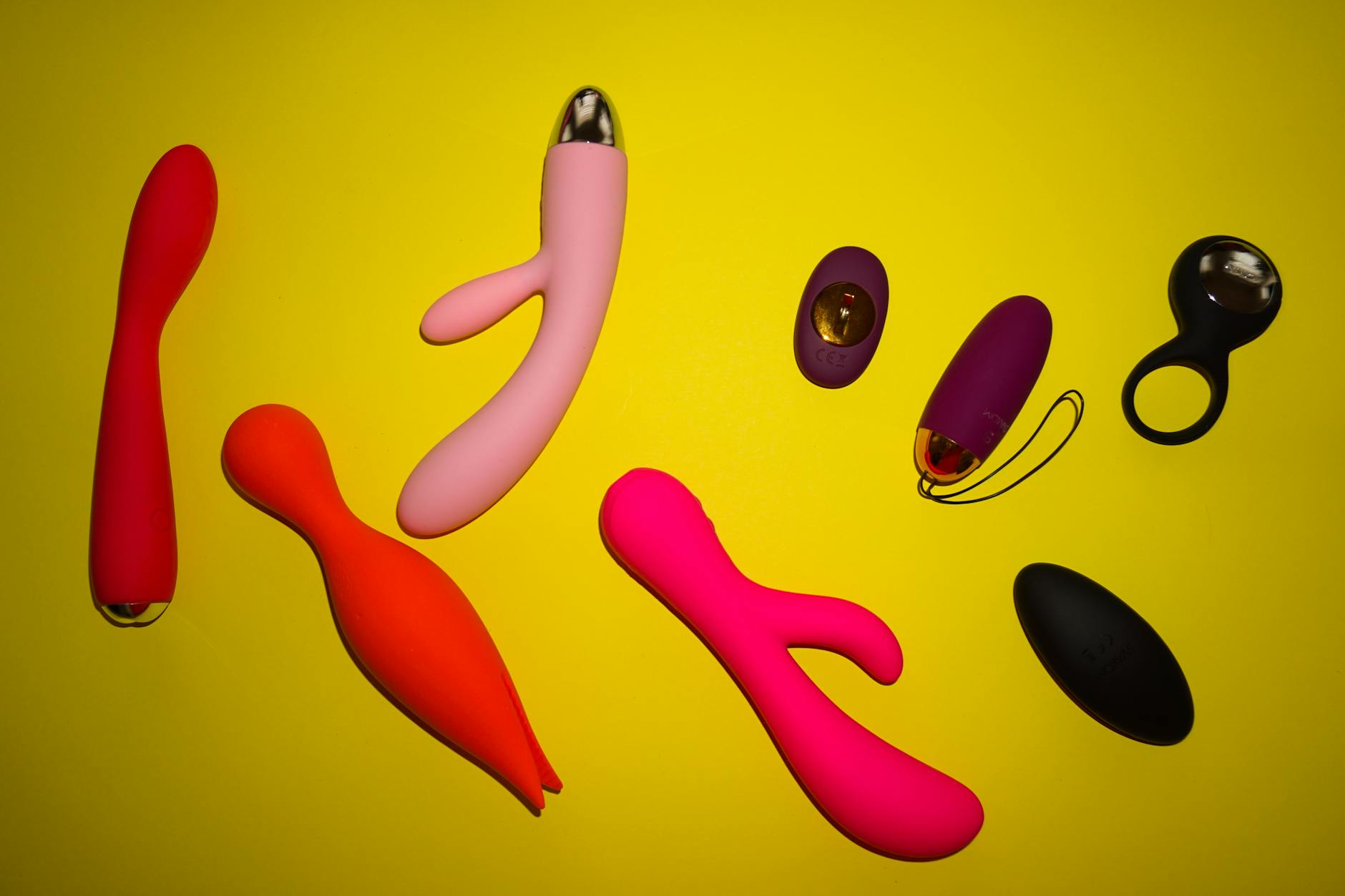
Why Lemon Vibrators Work Better When You Have a Sensitive Nervous System
If anxiety, trauma, or sensory sensitivity makes pleasure feel impossible, the precision of suction-based stimulation might be exactly what you've been looking for.
If your nervous system is easily triggered, most vibrators feel like chaos. A bullet vibrator goes from zero to one hundred. A wand vibrator is too blunt. Everything vibrates in a steady rhythm that doesn't match the actual pace of your arousal, which means you're stuck chasing your toy instead of your pleasure. That's the opposite of what a sensitive nervous system needs.
Here's the thing: you don't have a broken pleasure response. You have a nervous system that's wired to pick up subtle signals, which is actually an asset. You just need a tool that works with that sensitivity instead of against it.
When your nervous system is in a state of high alert, your brain is running a threat-assessment loop. Even if you consciously want to relax, your amygdala is scanning for danger. Pleasure requires the parasympathetic nervous system (the "rest and digest" side) to be online. You can't activate both at once. This isn't laziness or low libido. It's neurobiology.
Add in the fact that most vibrators offer a pretty limited range of stimulation intensities, and you've got a setup where your nervous system is already defensive and your toy gives you no gradation between "nothing" and "too much." That's a recipe for frustration.
Lemon clitoral vibrators use air-suction technology instead of vibration. That matters because suction and vibration activate different nerve pathways.
Vibration is high-frequency, repetitive stimulation. It's efficient and it works, but if your nervous system is sensitive, efficiency can read as intensity or even threat. Your brain perceives vibration as persistent, and persistent stimulation can feel overwhelming.
Suction creates a gentle, rhythmic pressure that releases and builds in waves. You can feel each cycle distinctly. There's a beginning, a middle, and a pause. That cyclical pattern actually calms the nervous system because it mirrors the kind of stimulation your body expects from touch. It feels less alien and more like something a person would do.
Lemon vibrators give you granular control over intensity with multiple settings, so you're not jumping from barely-there to overwhelming. You move through patterns at your own pace.
Here's what I see repeatedly in my practice: people with sensitive nervous systems don't need gentler pleasure. They need control. They need to know they can modulate the experience in real time.
When you start on a lower setting with a lemon adult toy, you're not committing to intensity you can't handle. You can sit in pattern 1 or 2 for as long as you need. You can feel your body's response building. Once you're grounded in pleasure, you can explore higher settings, or you can stay where you are. The tool adapts to you instead of forcing you to adapt to it.
That sense of agency is huge for healing trauma or managing anxiety during sex. Your body learns: "I'm in control here. I can stop anytime. No one is pushing me faster than I'm ready for." That message, repeated, starts to rewire the threat-response loop.
Start with suction only, no vibration. Most lemon clitoral vibrators have a "pulse" mode that's pure suction without added buzz. Get used to the sensation of suction on its own. Your nervous system has probably never experienced that before, so give yourself a few sessions to adjust.
Then add vibration in very low increments. You're looking for a level where you feel stimulated, not startled. If your first instinct is to tense up or pull away, you've gone too high. Back down and sit there for a minute.
Use external lube, even if you think you don't need it. Lube isn't about lubrication for sensitive systems. It's about glide and comfort. Lube makes the suction feel smoother and less grabby. This matters more than you'd expect.
Give yourself a full 20-30 minutes per session for the first few weeks. Your nervous system doesn't shift on a quick timeline. You're training your body to trust pleasure, and that takes time. Rushing the process defeats the purpose.
I'd be remiss not to mention the nervous system piece that has nothing to do with the toy itself. Your breathing is the fastest way to calm an activated nervous system.
Before you even touch yourself, spend two minutes doing four-count breathing: in for four, hold for four, out for four. This activates the vagus nerve and flips your nervous system into parasympathetic mode. Then start with your lemon vibrator.
If you notice tension or anxiety creeping in while you're using the toy, pause and breathe again. The suction will still be there. Your pleasure isn't going anywhere. Your nervous system just needs to reset.
Grounding techniques help too. Keep one foot flat on the floor. Notice three things you can see, two things you can touch, one thing you can hear. These practices sound simple because they are, but they work because they anchor you in the present moment instead of your anxiety.
If you have a history of sexual trauma or severe anxiety, using a lemon clitoral vibrator is useful, but it's not therapy. A trauma-informed sex therapist or somatic therapist can help you work with your nervous system in deeper ways. The vibrator is a tool. The therapeutic work is the infrastructure that makes the tool safe.
That said, many people find that combining bodywork with the right device accelerates healing. The more somatically aware you become, the more sensitive you are to subtle pleasure signals, which means a tool like a lemon vibrator becomes even more valuable.
Your sensitivity isn't a bug. It means you notice things. You pick up on subtlety. You're responsive to nuance. In a world that often demands you push through discomfort, that sensitivity can feel like a liability. But in pleasure, it's the opposite. It makes you capable of experiencing really refined, textured sensations that less sensitive people miss.
A lemon vibrator isn't a workaround for a broken system. It's a precision instrument for a system that deserves precision. Once you understand that distinction, everything shifts.
Yes, but with intention. The key is starting at very low intensity and giving yourself permission to stop anytime. If you notice panic symptoms rising, pause immediately. This isn't failure. It's information. Your nervous system is telling you it needs to go slower. Respect that. Over time, with repeated safe experiences at lower intensities, your nervous system will start to trust that pleasure is safe.
Not usually, and here's why. Suction is gentler than vibration because it doesn't have the micro-repetitive impact that can feel sharp. At very low suction intensities, it feels more like a light kiss than a pinch. If it hurts, you've either gone too high in intensity or you need more external lubrication. Back off on both and try again.
Most people report that the sensation becomes familiar within two to four sessions. By session five or six, your body stops treating it like a new or threatening stimulus and starts recognizing it as a source of pleasure. This timeline can vary depending on your anxiety baseline and any previous sexual trauma, but consistency matters more than speed.
That's a personal choice, but from a relationship perspective, I usually recommend it. Partners who understand that you're rebuilding your capacity for pleasure are typically more supportive and patient. You don't need to overshare or make it clinical. Something like, "I'm exploring a new way to experience pleasure that helps me feel less anxious" is often enough context.
Indirectly, yes. When your nervous system is calmer, your pelvic floor muscles relax naturally. Many people with anxiety hold tension in the pelvic floor chronically. Suction-based stimulation at low intensities can help that area feel safe and supported, which allows the muscles to release over time. For persistent pelvic floor dysfunction, <a href="/blog/how-to-use-lemon-vibrator-during-pelvic-floor-physical-therapy">pairing a lemon vibrator with pelvic floor physical therapy</a> is the gold standard.
Completely normal, especially if you're starting at very low intensities. Numbness or absence of sensation is a common trauma response. Your nervous system might be protecting you by muting sensation. This doesn't mean the toy is wrong or your body is broken. It means you need more time and possibly lower pressure. Many people who report feeling "nothing" in the first few sessions report intense sensation by week three or four, once their nervous system starts to trust that this experience is safe.
If your nervous system is sensitive, reactive, or carrying trauma, most vibrators will feel like a threat. A lemon clitoral vibrator, with its precise suction technology and granular intensity controls, offers something different: a tool that lets you move at your own pace and build pleasure incrementally. You're not fighting your sensitivity. You're finally working with it. And that changes everything.